Franz Eliz
In this digital age, doing some research on the places you plan on visiting has never been easier. Even if life is full of surprises – you might find yourself in unexpected or inevitable situations – it won’t hurt to gather travel tips that can help you enjoy your trip more. Before travelling to Vietnam, there are some things to know to keep you safe and help you pack and plan your budget.
Apply for a visa if necessary, choose the right season, never drink tap water, pack your medical supplies, bring enough cash, get a local SIM card, explore local cuisine, haggle smart, travel by motorbike, and have travel insurance are among useful travel tips for your trip to Vietnam.
By keeping these in mind, you can avoid leaving a bitter taste in your mouth during your trip. I’ll discuss some useful travel tips for your trip to Vietnam, which I’ve gathered from other travellers and from my own travel experiences, so keep reading. This is probably my longest article, so get a cuppa ready to accompany you during this read.
Disclaimer: This post probably contains affiliate links. When you make a purchase through one of these links, I might receive a tiny commission at no extra cost to you. I earn from qualifying purchases.
- Apply for a Visa if Necessary
- Choose the Right Season
- Never Drink Tap Water
- Pack Your Medical Supplies
- Bring Enough Cash
- Get a Local SIM Card
- Explore Local Cuisine (Especially the Street Food!)
- Haggle Smart, But Don’t Over-Haggle
- Travel by Motorbike
- Have Travel Insurance
- Consider Hiring a Tour Guide
- Get To Know the Locals
- Beware of Scams
- Travel Slow or Cheaply if You’re Not in a Rush
- Learn Basic Vietnamese
- Pack the Right Clothes and Accessories
- Avoid Travelling Around Tết
- Choose Your Accommodation Carefully
- Summary
Apply for a Visa if Necessary
Most countries need a visa to enter Vietnam. However, some countries can enter Vietnam for up to 30 days without a visa like Singapore, Malaysia, and Cambodia. British nationals can enter Vietnam for up to 45 days without a visa, be it for transit, business or leisure purposes, except for voluntary or paid work.
Travellers from France, Germany, Japan, and Denmark can also travel to Vietnam without a visa for 45 days. People from many Asian and African countries are also exempt from Vietnam visa requirements.
To apply for a Vietnam visa (or any travel visa), travellers can visit reputable websites. iVisa is a popular option. The website has tons of resources regarding visa applications. Another website where you can apply for a Vietnam visa is Vietnam Visa. I applied for a visa from them before and the process was easy. In late 2021, the company even emailed me to share updates on Vietnam’s reopening plans.
Note that many visa applications can be done online. However, it is not available for certain countries and must be done through an embassy.
Sponsors for Palestinian Travellers
Some nationals cannot apply for a Vietnam visa online on their own and may need to do it with the help of a recognised travel agent in Vietnam.
For example, a Palestinian (with refugee status) who wants to visit Vietnam can only apply for a visa through a Vietnamese travel agency. Since Palestine doesn’t have political relations with Vietnam, applying for a Vietnam visa is a little tricky.
This happened to my best friend a while ago when we travelled to Vietnam. He contacted the Vietnam embassy and they informed him that he needed to have a sponsor. Eviva Tour Vietnam was the travel agent recommended by the Vietnamese embassy. To be sponsored, he needed to take a private tour with the company. It was expensive (about US$550 for 8 days), but it was the only option he had.
After his sponsor got the visa approval letter from the government in Vietnam, they had it sent to him digitally. To get the visa stamped on his passport, he paid 300 Qatari riyals (about US$82).
Checking Your Vietnam Visa Requirements
Check if you need a visa to enter Vietnam or if you can enter the country with an e-visa. You can refer to the list online. If your country is not listed, then you’ll need a sponsor. A quicker way to get the information you need is to visit websites that help with visa applications. Many of these websites have a chat button for customer support.
As of this article’s publishing date, visa on arrival for Vietnam is currently not available. Only e-visas are available. Check if your country is eligible for an e-visa. When in doubt, don’t hesitate to call the Vietnam embassy to get the most accurate and up-to-date answer.
Choose the Right Season
Before travelling to Vietnam, it’s essential to understand the weather in different parts of the country.
Northern Vietnam has four seasons: summer, autumn, winter, and spring. In winter, travellers can expect gloomy skies and rainy days. However, that doesn’t mean there won’t be sunny days in winter. In some parts of Northern Vietnam, you may experience many dry and sunny days, even during winter.

Unlike Northern Vietnam, Central and Southern Vietnam only have dry and wet seasons. If you travel to Huế (in Central Vietnam) between September and January, you’ll see a lot of rain. I did this in the past (sometime in January) and didn’t like it much. My photos were as gloomy as the skies, and the frequent downpours meant my clothes and jacket were always wet. If you must travel during this period, invest in good rainwear and shoes.
Places like Ninh Binh are usually great to visit year-round. So, if you want to do any boat tour in Ninh Binh, like the Tam Coc boat tour, that would be fine. Travelling in summer means the skies are always bright, which is good for taking pictures.
Personally, I enjoy travelling during the Vietnamese summer, but it’s not my favourite season. I find places like Hoi An, for example, quite hot (and very humid) in summer.

One thing to note, though: the weather these days can be quite unpredictable due to our changing climate. For this reason, I always recommend carrying rainwear or an umbrella, as well as a jacket and a scarf.
Never Drink Tap Water
You should never drink water straight from the tap while in Vietnam. The best way to drink water is to carry a water bottle and refill it at water fountains near you. Some hotels have water fountains.
If your hotel doesn’t have a water fountain, it likely has a water boiler. You can use it to boil water. Unless you’re making hot drinks, the only downside to cooking your water is that you’ll need to wait until the water is warm before you can pour it into your bottle or cup and drink it safely. This has never been a problem for me and I always boil my water even back home. In Vietnam, many locals do the same to save on costs. Furthermore, it’s better for the environment!

Alternatively, you can buy bottled water. They’re more expensive than boiling your water, though. Some of the popular water bottle brands in Vietnam are Dasani, La Vie, Evian, and Thạch Bích. Besides drinking, you can use bottled water for brushing your teeth or cleaning fruits and vegetables.
Fake Water Bottles
Another thing to note is that some sellers might try to sell you poor-quality water on the streets. These water bottles are known as fake water bottles and the practice is a common problem in Vietnam. What they do is clean perfectly fine water bottles, refill them, and then sell them on the streets to customers. I finally understood what my American friend meant when he said he was suspicious of his water bottles.
Pack Your Medical Supplies
If you can find fake water bottles in Vietnam, you can also find fake medicines there. Fortunately, you can avoid buying fake medicines by getting your medical supplies from clinics, pharmacies, and hospitals.
But what if you caught diarrhoea in the countryside and have no access to certified health providers? In the past, I bought medicines from a convenience store. It wasn’t 7-Eleven or a famous chain outlet store; it was a small store selling just about whatever. I took my chances because my options were limited.
To avoid getting into a similar situation, it’s best to get ready your medical supplies beforehand. When on the road, you’ll need tablets for diarrhoea and fever. Medicines for sprains, cuts, and burns will also come in handy. I recommend having Tiger Balm on hand. It’s perfect for days when you’re feeling a little sore.
No Prescription Required for Certain Healthcare Needs
While you can get many different medicines over the counter in Vietnam without a prescription, it’s still best to have your own ready.
Apart from medicines, contact lenses are also available for sale without customers needing to get a prescription. However, I recommend you bring an extra pair of contact lenses (or glasses if any) before travelling. Sometimes pharmacies in Vietnam don’t have the stock of the things you need, including certain medicines. Medicines that are not in stock have to be pre-ordered, which is not convenient if you’re in a rush.
If you need to access Vietnam’s emergency service, dial 115.
Bring Enough Cash
Everyone is a millionaire in Vietnam. Unfortunately, even millionaires will run out of cash.
After travelling to Vietnam many times, I would say that Vietnam is a society that still relies heavily on cash. For that reason, I always have to remind myself to have enough Vietnamese Dongs for different things, from hotels to street food.

Many places in Vietnam allow customers to pay with cards or QR codes. For example, you can use your credit or debit cards to make payments. I recommend carrying a BigPay or Wise card with you to get better rates when making purchases or withdrawing money abroad. For mobile payments, many people use GrabPay (from paying for ride services to paying for food at restaurants) or Momo, which is mobile money popularly used in Vietnam.
However, these mobile payments are not always available, especially with small shops or street vendors. Many times I didn’t have to book hotels during booking and pay the hotels cash only upon check-in. Most hotels also ask for a deposit in cash. Another instance that calls for cash is tipping. While tipping is not compulsory in Vietnam, it is much appreciated, and you usually will need cash for that.
No Cash at ATM Machines Scenario
Sometimes Vietnamese ATM machines run out of cash. That said, you’ll want to estimate the right amount you’ll need in the next few days or weeks.
ATM machines can easily run out of money during peak seasons, such as the Vietnamese New Year or public holidays. If you don’t have a motorbike, you’d waste a lot of time and energy looking for one on foot.
Get a Local SIM Card
One of the first things many travellers do at the Vietnamese airport is to buy a local SIM card. Different telcos are available, including Viettel and Mobifone.
Note that there are regular and tourist SIM cards to choose from, with tourist SIM cards being more expensive than regular ones. If you’re not rushing, you can always buy your SIM card in town instead of at the airport for better deals.
So, what’s the difference between regular and tourist SIM cards?
With a regular SIM card, you’ll need to buy the SIM card, top it up, and then register for a data plan. A regular SIM card usually costs less than VND100,000 (about US$4). As for a tourist SIM card, you just need to pay for the data plan you need. However, you cannot top up. You can get a tourist card for as little as a few dollars.

I often get a SIM card from Viettel. I find the Internet pretty good (in most of the places I visit) and I can easily stream online content with no problem. For a Viettel tourist SIM card with 2 GB Internet, the price is about VND200,000 (about US$8). I’d usually get a tourist SIM card for short trips. For longer trips, I’d usually get a regular SIM card.
Did you know that you can get a Vietnam local SIM card online? This Vinaphone 4G SIM card or Viettel 4G SIM card is available for purchase via Klook, especially suitable for travellers visiting Ho Chi Minh City. If you’re arriving in Da Nang, you might want to check out the Vinaphone 5G SIM card.
Some sellers can even ship your SIM card to your address.
Explore Local Cuisine (Especially the Street Food!)
A great way to explore Vietnam is through its gastronomic experience. While Vietnam has many cool restaurants serving various dishes from around the world, you don’t want to miss out on what Vietnamese cuisine has to offer.
I especially love Vietnamese street food because they’re not only yummy but also inexpensive. A bowl of bun cha, for example, would only cost about VND35,000 (under US$2). It’s cheaper in small local shops. However, expect to pay a lot more for a similar dish when dining in fancier places.
Small Shops Where the Locals Go Are Ideal
When I was backpacking in Vietnam, I would always prefer somewhere cheap (to save money, of course) and thankfully, finding affordable food is easy in Vietnam. Some of the foods to try in Vietnam are as follows:
- bánh mì (short baguette with meat, vegetables, and sauces)
- bún chả (grilled pork with rice noodles)
- xôi (steamed sticky rice)
- Vietnamese spring rolls (raw and fried)
- bún bò Huế (rice noodles with beef slices in lemongrass soup, originating from Huế)

- bánh tráng nướng (crispy pancake with egg, meat, and sauces)
- chè (traditional Vietnamese sweet beverage)
- pho (Vietnamese soup with rice noodles, meat, and vegetables)
- bánh xèo (stuffed rice pancake)
- Bánh cuốn (steamed rice, usually served with a sweet sauce)
- cơm tấm sườn (rice with pork chops)

As discussed earlier, the prices of food in smaller restaurants are usually inexpensive. Instead of dining at a mid-range or expensive restaurant – or anywhere packed with tourists – go where most of the locals go.
Pay attention to food stalls as well. You can find many food stalls selling food like chè and bánh mì for cheap. Street food in Vietnam can cost as low as VND23,000 (about US$1 only).
Haggle Smart, But Don’t Over-Haggle
If you’re good at haggling, you can certainly almost always get the most out of your buck. It’s essential to haggle in many parts of Asia, Vietnam included, because vendors often markup their prices to get the most profit and also because they know customers would try to bargain for the best price that could get.
While haggling is acceptable in Vietnam, it might be best not to overdo it. Sure, it feels great to be able to bring prices down significantly, but that also means a significant loss on the seller’s part. There were instances when I came across other travellers complaining about some things being too expensive whereas I myself thought the items were reasonably priced, especially to tourists.

For example, I wouldn’t try to over-haggle when buying silk (such as scarves) in Vietnam because I know that silk scarves are generally not cheap and usually cost a lot more elsewhere, especially in modernised countries.
This might seem daunting, but it would be helpful to do some research on how much some things normally cost in Vietnam. There are many resources online you can refer to, after all. That way, you can avoid paying too much or simply becoming too quickly to assume that every vendor out there is trying to rip you off.
Also, if you think a seller is ripping you off (because there are so many of them out there), walk away and compare prices until you find a reasonable price. It can be time-consuming, though.
Travel by Motorbike
If you’re looking for an affordable way to get around the country, then you might want to consider travelling by motorbike. For shorter trips, many tourists prefer to rent a motorbike and explore the country on their own.
For those travelling long-term – 3 months or more – they would usually opt to buy a second-hand motorbike. 100–150 cc motorbikes are popular options. Scooters and Honda Win are quite popular among expatriates.

Bike Taxis (Xe Om)
Even if you don’t know how to ride a motorbike on your own, you can always order Grab rides, which are a popular way to move around while in the city. Alternatively, you can always flag down a ride by the roadside.
What if there are 2 of you in a group? Well, many Grab riders will try to convince their customers to get on the bike regardless. 3 people on the bike? No problem for them. Your safety is not guaranteed, though. Note that your rider might only have one helmet available, meaning you or your friend might not have a helmet. If you ever choose to do this, do it at your own risk.
Another thing to note is Grab rides are only convenient for short trips, usually around the city. If you plan to explore the countryside, you’ll likely need to have a motorbike of your own.
Tip: Other ride services available in Vietnam are Gojek and Be.

Riders Who Don’t Look Right or Left
Many people tried riding a motorbike in Vietnam despite not having a license or experience whatsoever. How hard can it be, right? That’s what many thought until they ran into another rider. Whose fault might it be? Usually, the wrong comes from both sides.

You should always be careful of other people near you because regardless of how careful you are as a rider (and how good you are at following road rules), someone else might not use common sense or follow the rules, which eventually gets both you and them in trouble.
One of the most common problems is people not looking right or left before exiting a junction or entering a lane. That’s awfully dangerous, but it happens a lot.
Have Travel Insurance
Travel insurance is an important thing to have when you’re on the road, especially if you’re going on a long trip. For example, backpacking around the world. Insurance packages may vary and are not made equal. Some insurance packages focus more on health while others may offer more coverage on baggage losses, road accidents, and so on.
Whichever package you choose will depend on your travel needs. Also, you can choose whether you prefer a comprehensive insurance plan (which is usually expensive) or rather a budget one.
World Nomads is one of the most well-known travel insurance companies catering to travellers. The company offers two plans for people travelling to Vietnam, Cambodia, and Laos: Standard and Explorer. Their policies cover more than 150 activities, sports, and experiences. So, check out their travel insurance if you want to get covered during your trip to Vietnam.
Frankly speaking, the only time I had to get travel insurance was during my trip to Vietnam sometime in 2022. At the time, COVID-19 restrictions were still in place in many countries, including Vietnam. I took the Zurich medical insurance that also offered coverage for COVID-19.

I paid RM68 (about US$14) for an 8-day trip to Vietnam. I didn’t mind it because I didn’t want to bear expensive hospital bills should I get sick from the virus.
Another travel insurance you might want to consider is AirAsia travel insurance, especially if you are often around Asia, including Vietnam, with the budget airline. AirAsia has different plans to choose from, such as Flight Delay insurance, Comprehensive Travel Insurance – Lite Plan, Tune Protect Travel Adventure, and more.
Consider Hiring a Tour Guide
Hiring a local tour guide is convenient when you want to learn more about the places you’re visiting. There are many places in Vietnam with very little English or any explanations at all, so in places like this, hiring a tour guide would make sense.
I’ve seen many negative online reviews regarding some places of interest in Vietnam. Many of the reviews mentioned that these places barely had information for tourists to read. Their frustrations are understandable because who wants to pay money for something they cannot understand?
Personally, I wouldn’t leave 1-star reviews (and my rants) on these places in consideration of the impacts on the livelihood of the people working there. However, less positive tourist feedback may encourage the local authorities to make some improvements. If you don’t have a tour guide, it’s best to avoid these attractions. Go and spend your money and time elsewhere.

Even though I don’t usually hire a tour guide, I recommend getting a local guide if you can. The last time I had a guide was during my trip to the Marble Mountains in Da Nang. My tour guide was very fun and bubbly and she made my visit more memorable. I also learned a lot from the trip.
Finding More Affordable Tour Guides
Here’s one thing that maybe many people don’t know: Sometimes travel agencies hire freelance tour guides.
For example, you booked a private tour from a local agency. The local agency then found a freelance tour guide. Since you didn’t book the tour guide yourself, the price you paid would be higher than if you were to approach the guide directly. If you happen to come across this, it would be a good idea to keep your guide’s contact as they likely offer services for other destinations.
Don’t feel bad about hiring them directly instead of going through the agency that recommended them. These freelancers are small players who want to grow their businesses. They would recommend their services even if you didn’t ask.
You can also do Couch Surfing and meet locals who would be willing to show you places and share what they know. They can offer you tips, companionship, and more. In return, you offer them your time, companionship, and knowledge. If they ever visit your country, you could even show them around. Buying them souvenirs from your country or offering to treat them to dinner is also a nice gesture.
Get To Know the Locals
I’ve been to Vietnam many times – because I live in Southeast Asia and I enjoy visiting the country – and I must say that it’s easy to make friends with the local people. Vietnamese, especially the youngsters, are quite friendly and helpful. Many are not shy to speak to foreigners and always look for an opportunity to practise their English. I do appreciate their positive attitude towards learning and improving their skills. That said, I never had a problem to start a conversation with the locals.
Go ahead and spend some time at the park in Ho Chi Minh City and you might find a local person starting a conversation with you. Take advantage of the situation and ask them questions – anything, preferably Vietnam-related – and who knows, you’ll make a new local friend.
Why make a local friend? If you find yourself in trouble, at least you know someone in Vietnam who could help you. In return, you can always help them in any way you can later on. A local will also give you the best tips in town, from the best local places to eat and safety tips that you may need to be aware of.
Beware of Scams
Like any touristy place, there are scams in Vietnam and it’s hard to avoid them. Sometimes you get scammed and don’t even realise it. However, that doesn’t mean you shouldn’t try to outsmart these scammers.
Before visiting Vietnam, visit travel blogs written by other travellers, especially long-term travellers, backpackers, or expatriates in Vietnam. Since they spend more time in the country than the average tourist, they have more stories to tell and are always up-to-date with the latest scam tricks. As mentioned earlier, making a local friend would also come in handy.
Scams around the world are always improving, and so are the ones in Vietnam. It’s not easy to keep up with every one of them, but knowing the existing and more well-known ones is a good start to prevent yourself from falling victim.
Scam or Not?
Sometimes something seems like a scam because we might not understand how things work in the country.
For example, my friends and I were upset when we were asked to tip our masseuses. Initially, we entered the massage place because it was cheaper than everywhere else (after bargaining the prices). After tipping the workers, we ended up paying the amount we would’ve paid elsewhere.
I wouldn’t consider this a scam per se (after reconsidering what happened) because I learned later that many services often request tips. Tipping is not compulsory in Vietnam but is much appreciated. That night, we could’ve walked away without tipping the workers. However, it didn’t feel nice not to tip them, especially when the workers were already asking for it. Nevertheless, at the time my friends and I felt scammed.
Dodgy Taxis
Whether I’m in my country or Vietnam, I always worry that my taxi driver will try to scam me, which is why I usually opt for Grab rides instead of flagging down a taxi by the roadside. With Grab Ride, I will at least know how much I am expected to pay. I was ripped off by taxi drivers many times, including during my time in Vietnam, even by motorbike taxis.

Remember I mentioned that motorbike taxis in Vietnam sometimes would allow two passengers on a motorbike? The charge is slightly more expensive but usually still cheaper than ordering two rides to the same place. Some riders don’t even charge you for the extra person.
However, a motorbike rider once tried to overcharge me, and my friend (who lived in Vietnam for many years) got triggered and was about to fight the rider. Luckily, a local came to us and told the rider to charge us accordingly. Had the guy not intervened, the rider might have not backed down and things could’ve gone ugly. Geez. All that drama.
Dodgy Tour Agents
A safer way to explore Vietnam is by taking a tour from local tour operators. Your tour agent will take care of you and if you take a private tour, you can have more flexibility for your travel. I took a private tour while in Da Nang and the trip was smooth. My tour agent had everything arranged and if I needed help I could always ask. Private or not, an arranged tour can make your trip smoother and lower the chances of you getting scammed.
You’ll still want to be careful, though. Some tour agents are quite dodgy and might not live up to the hype amidst all the positive reviews they get online. They would charge you a lot (maybe they have English-speaking or more experienced guides) but might not deliver what they promised.
I experienced this with one of the tour agencies in Northern Vietnam. As much as I’d like to drop a name here, I’ve chosen not to because overall, I thought the trip was excellent thanks to their guides. Also, maybe the agent arranged my trip badly due to the overwhelming requests they got at the time. In the end, despite not being smooth (with some arguments involved), the hiccups didn’t ruin my trip.
Travel Slow or Cheaply if You’re Not in a Rush
You’ll find many long-term travellers in Vietnam. Many expats living in Vietnam are either digital nomads or employees in local or international companies. Many backpackers also spend a lot of time in Vietnam when they’re trying to take a break from travelling for a while. Vietnam is so popular among travellers (mainly those from wealthier countries) due to the low cost of living.
Even if you don’t earn in euros, pounds, or dollars, you can enjoy a fun and affordable lifestyle in Vietnam provided that you plan your budget carefully and know where to find reasonably priced accommodation and food. Many YouTubers shared their experience living cheaply in Vietnam, so you might want to check out their content.

By spending more time in the country, you can see more of the country. As discussed, having a motorbike is ideal for long-term travel in the country. Taking public transportation like trains and buses is also recommended. These options are slower than taking the plane, but depending on the route, you can have a spectacular view of the countryside. Both bus and train have overnight and sleeper options to suit your needs.
How can you save money on travelling slowly in Vietnam? There are many options. A popular option is to stay in hostels. Couch Surfing is also a good option if you don’t mind staying with strangers who might eventually become your good friends. Instead of travelling with more expensive airlines, consider flying with budget airlines like VietJet or AirAsia.
Learn Basic Vietnamese
Not everyone in Vietnam speaks English, so communication can be a problem sometimes, especially in the countryside. It’s easier to find people speaking English – even if it’s broken English – in bigger cities.
However, you may still come across people who speak zero English in places like Saigon or Hanoi. Vietnamese youngsters are becoming better at their English, thankfully. However, they would appreciate it if you try to learn their language just as you would appreciate it when foreigners make the effort to learn your language.

You can pick up Vietnamese phrase books before visiting the country or make a note of useful phrases you can use in Vietnam. Find out how to make orders at restaurants, the name of food, how to read signs, etc. It also helps to have Google Translate on your phone. Many Vietnamese turn to Google Translate when trying to communicate with non-Vietnamese.
For instance, my Airbnb host in Hanoi and private driver in Da Nang both used Google Translate to communicate with me during my trips to Vietnam. Simple words along with body gestures when communicating are also useful. For example, when I tried to tell my bánh tráng nướng seller not to put pork in the food, I just had to say “Pork no” and shake my head. The Vietnamese word for pork is ‘thịt heo’, by the way.
Useful Vietnamese words and phrases:
- Hello – Xin chào
- Thank you – Cảm ơn
- Toilet /bathroom – nhà vệ sinh / phòng vệ sinh
- Beef – thịt bò
- Chicken – thịt gà
- Goodbye – tạm biệt
- No – Không
- Yes – Dạ (yes, like Russian.)
Pack the Right Clothes and Accessories
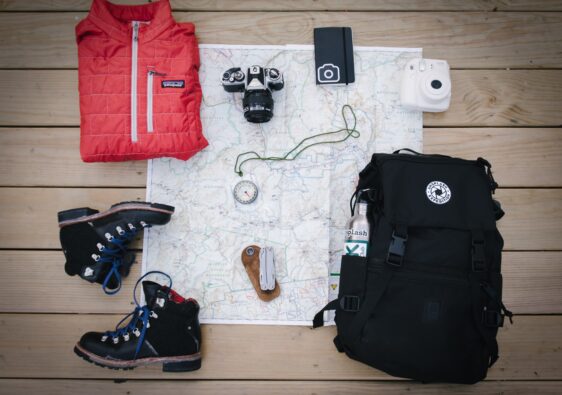
Knowing what to pack for your trip is as important as knowing the season to visit Vietnam. After determining which season you’ll be travelling, you can then decide what clothes and accessories to bring.
For example, pack a warm jacket and thick scarf if you’re travelling in winter. In winter, a pair of waterproof or water-resistant boots are also ideal. When travelling in autumn or spring, you’ll be fine with light clothing, but still, a piece of jacket and a scarf will be ideal. Summer in Vietnam can get quite hot and humid, so I recommend packing light clothing like tank tops, shorts, singlets, or anything breathable.
Suppose you want to travel light. You don’t want to pack a winter jacket before your trip to Vietnam as you’ll be in Southern Thailand’s hot climate first. The answer is layering. You can also pack a packable jacket that won’t take up much space in your bag and can even be used as a pillow. Alternatively, you can always buy what you need on the road. Hanoi, for example, has many shops selling winter clothes and shoes.
Avoid Travelling Around Tết
Tết is when many Vietnamese travel whether locally or overseas. Since many Vietnamese enjoy exploring their country, Vietnam is often very crowded around the Tết period.
Once, a tour agent in Vietnam advised me to consider not travelling around Tết as tour packages are often more expensive around this period. Plane tickets are also typically expensive during or a day before Tết.

If you plan on travelling by bus or train, chances are the tickets are mostly gone. I experienced this back in 2016. Fortunately, I managed to get the last bus ticket from Ho Chi Minh City to Hanoi. Note: Since many seats are gone around this time, some bus drivers might try to squeeze whatever they can into any space they can find on the bus, up to the point they don’t hesitate to take up some of the space you’ve paid for.
You won’t need to worry about bus, plane, or train tickets if you’re travelling by motorbike. And if you’re the kind of traveller who likes to avoid overly touristy places, you won’t need to worry about overcrowding at tourist attractions during Tết. However, you’ll learn that many places are closed during Tết, including small shops and restaurants.
Choose Your Accommodation Carefully
The best thing to do before arriving in Vietnam is to have your accommodation sorted. Some airlines actually check if you already have a place to stay or not abroad. You might not be able to check in if you don’t have a hotel booked first. This happened to me before, so it’s something I always kept in mind. If you can’t decide where to stay, you can always cancel your hotel reservation later on.

Choosing accommodation in Vietnam can be tricky because their prices change based on the travel period. While it’s better to book early, sometimes booking at the last minute can land you a good deal. Determine what you want from your stay. Are you looking for a budget, mid-range, or fancy hotel? How much are you willing to pay? Do you need amenities like an iron, hairdryer, or working table? Is the location important?
Suppose you will rely a lot on walking. You don’t want to take motorbike taxis because you’re scared to sit on a motorbike. At the same time, you also don’t want to pay for car ride services all the time. Then you’ll want to choose somewhere closer to the places you wish to visit. For example, you can check out hotels, hostels, or Airbnb in the Old Quarter and French Quarter if you’re in Hanoi.
Tip: If you have a motorbike, you can consider booking a hotel upon arrival. During low seasons, most small hotels are not fully occupied. Walk-ins (mainly in the countryside) are often cheaper than booking online. For example, you’d pay VND300,000 (about US$12) only instead of VND350,000 (about US$14). I did this a lot in the past.
Finding a Quiet Place To Stay
Now, what if you want somewhere quiet to relax before leaving Vietnam? That’s not an easy question to answer because it’s not always easy to find quiet places in Vietnam.
Many buildings have thin walls, and oftentimes, people can be heard yelling at each other as early as 7 a.m. If you don’t hear them talking outside your room, you might hear them from your windows. Also, let’s not forget the loud honking sounds, mainly in cities.
But don’t worry. With some luck and research, you may be able to find a hotel quiet enough for your liking. I found a hotel in West Lake, Parosand Hanoi Hotel & Apartment, which was pretty quiet, at least from my experience. It was the quietest hotel I’ve stayed in in the country.
Staying in Homestays in Vietnam
If you want to get a more local experience, especially in the countryside, I recommend staying in homestays.

There are many types of homestays, with some made of wood and others made of bamboo. Some homestays also offer fun activities for guests to participate in, from exploring paddy fields to watching cultural shows.

Summary
It doesn’t hurt to do some research before visiting Vietnam. By gathering travel tips from others who have been there, you can prevent yourself from getting into instances that can easily ruin your trip.
Vietnam is an interesting country, but let’s not forget that just like anywhere in the world, the country also has its challenges, from no-good scammers to dangerous places. But like anywhere in the world, there is so much beauty to be discovered in Vietnam. With some preparations and common sense, you’ll leave the country with many good memories.