
Annoying Things Travellers Do
 Franz ElizUpdated on
After travelling to many places and encountering all kinds of people on the road, I have learned that everyone carries themselves differently, no matter where they go.
Some travellers are social butterflies, while some prefer to keep to themselves. There are those who prefer travelling in groups, while there are others who prefer going solo. Some enjoy going off the beaten path, while some don’t mind crowded places. There are some who are competitive, cocky, or just plain rude. And some are just clueless and always lost.
In this post, I’ll share some annoying things I’ve seen travellers do. Keep reading.
Criticising Others for the Way They Travel
Some people call themselves backpackers because they travel cheaply with backpacks. Meanwhile, some others are backpackers too, but with a higher spending power. They can splurge on nicer meals or fancier accommodation if they like. There’s a term specific to the latter: ‘flashpackers’. So what’s the difference between a backpacker and a flashpacker? They both travel with backpacks, right?
While backpacking is associated with budget travel and relatively cheap destinations, flashpacking is backpacking with a bigger budget. Many flashpackers don’t mind spending more money to save time or add more comfort to their travels.
I’ve met backpackers who criticised flashpackers and flashpackers who criticised backpackers. Do they even realise that they can sometimes be both?
Flashpacker or Backpacker, You’re Still a Traveller
Backpacker or flashpacker, does it really matter? I consider myself both.
I’ve stayed in dirt-cheap and fancy places before. While I don’t mind hostels, I usually prefer a private room so I can focus on work. In a private room, I can switch off the lights anytime or have a pillow talk with someone for as long as I like. I can spend very little money on some days, and other times, I can spend a lot more.
On special occasions, I may stay in a 4-star hotel. I also do that when I find good hotel deals. I usually don’t mind more expensive accommodation if I can share the cost. Sometimes, staying in a nicer accommodation is ideal, especially after a long journey.
There’s Nothing Wrong With Being Frugal on the Road
I’ve met people who travel luxuriously and would criticise budget travellers. They wonder why anyone would travel on a tight budget. And they think if you’re going to spend very little, you might as well not travel.
Travelling frugally doesn’t mean you’re broke. If you’re broke, you wouldn’t travel, anyway – or at least you shouldn’t. Many people travel because they’ve got extra cash to spend on holidays. Holidays are good, especially with loved ones. But you can travel and still keep your expenses low. For some, being frugal also allows them to travel longer.
Different travellers find different ways to extend their trips, especially when their savings start to run low. Some go to countries like New Zealand and Australia for work-holiday jobs, while some do online freelance work, like customer support or art jobs.
When I started freelancing full-time, I tried working while travelling. I didn’t make much money at the time, but it was usually enough to help me get by. With experience, working while travelling becomes more stable and manageable.
Short-Term Travelling Is Still Travelling
Some long-term travellers aren’t very nice to those travelling for a week or two. I’ve met those who criticise short-term travellers because short trips are a waste of money and bad for the environment.
The thing is, not everyone can make long trips. Sure, a trip to Europe for a week or two might seem wasteful, but most people don’t have long holidays, and they may have other life obligations. For many, a short holiday is better than nothing. And a short trip doesn’t mean it’s less rewarding or less meaningful than longer trips.
If you want to be more environmentally conscious, take short trips less often. And consider saving the long-distance destinations for a big trip instead.
Complaining Too Much Instead of Adapting to the Situation
Travelling is not always easy. Even when you have all your needs taken care of by your tour agent, satisfaction is not guaranteed. Something could come up at any time.
I’ve been on trips with easy-going and difficult people. The easy-going ones are usually calm even in the most difficult times because they understand that unforeseen circumstances are just part of everyday life.
The difficult ones are easily upset when there’s a problem. They’ll start complaining and blaming everything on others. Then they start moping around and getting all stressed out. Eventually, they bring everyone’s mood down. What party poopers.
Travel is full of surprises, like anything in life. If you find staying calm in stressful travel situations isn’t easy, you’re not alone. I feel the same way, too. But more travel can help you juggle stressful travel situations better moving forward.
Travel Hiccups Are Common
Once, I was supposed to take the speedboat from Gili Trawangan back to Bali. However, I couldn’t due to rough waves. The boat company transferred all the passengers (including me) to a local ferry. The journey was awfully slow. Many of the other travellers were really upset – they probably had a flight to catch.
Luckily, I didn’t have a flight to catch. I purposely didn’t fly that day in case an emergency like this happened. But I was supposed to meet up with my friends in Kuta, Bali.
Instead of arriving in Bali at 1 p.m., we arrived at 11 p.m. All the waiting made us late. I was really tired that day. The journey felt like forever. I didn’t have a book to read, and my MP3 ran out of battery. And I was too shy to talk to other travellers – yes, I sometimes have this problem.
But I met someone new that day – Antoine, a French traveller. He had a surfboard and a motorbike. We bonded over music, and our conversation made time seem faster. I didn’t expect that at all.
Broken Bus
Another time I had to deal with an unforeseen occurrence was when I travelled to Taman Negara. The bus I took from Kuala Lumpur to Taman Negara faced an unexpected roadblock.
The travellers behind me approached the bus driver and started complaining. One of them said, ‘But sir, we’ve paid so much money for this.” And the bus driver said, “I know you have, and so did everybody else.”
Hmm, does it kill to have a little more patience? Not long after that, several vans came to pick us up.
Spending Too Much Time Perfecting a Shot
Many people like selfies; I do, too. Taking selfies is okay as long as it’s not excessive. It’s normal to take selfies. Sometimes you want to be in your photos, but you have no one to help you.
Your photos don’t always look good when you take them yourself. So you would snap several photos in case one or two are blurry. That’s understandable.
But what I don’t understand is how some people can spend over 30 minutes taking photos at the same spot. I’ve seen it firsthand at Poda Island, Thailand. Some tourists went straight to the welcome signboard to take photos. By the time I finished swimming, they were still taking photos at the exact spot.
These people didn’t look like they were on a photography project. So I wondered why they spent all that time posing instead of enjoying the water. Also, shouldn’t they give other people a chance to have a shot at the signboard? Ultimately, I’m in no position to tell people how to enjoy their time. Everyone’s travel experience is unique, after all.
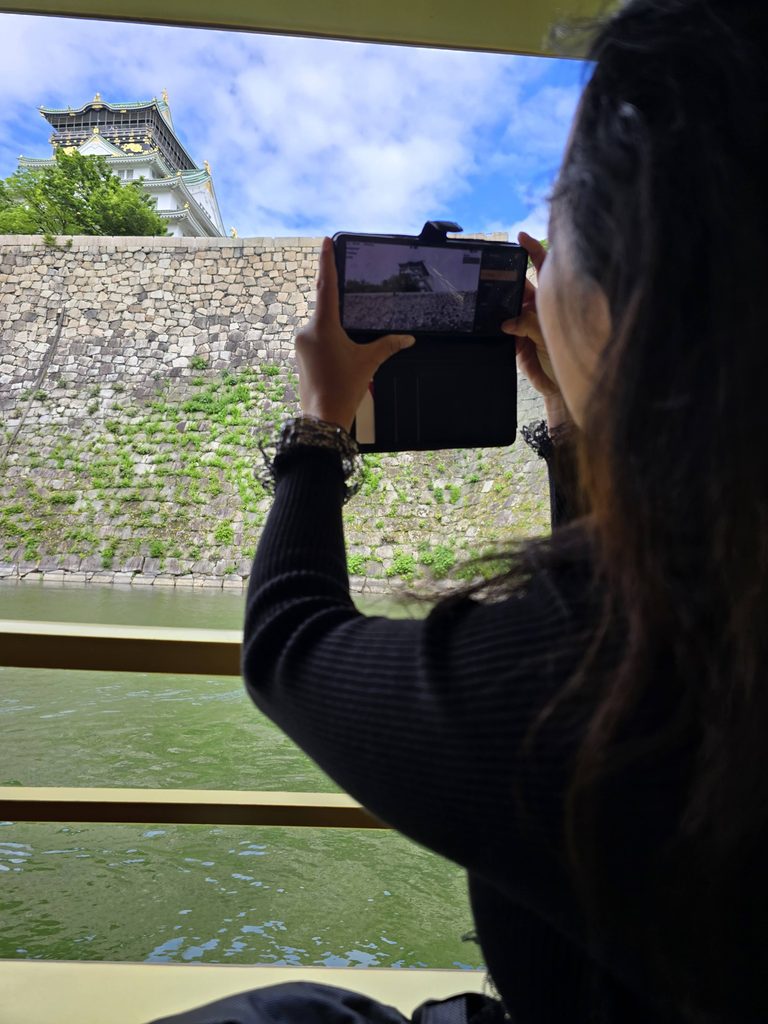
One last thing worth mentioning: sometimes people spend so much time perfecting a shot because they refuse to have other people in their shots. The perfect shot is important; you want to be the main character, after all. But hey, there’s a solution. Thanks to AI, removing other people from pictures is easier than ever before!
Expecting Everyone To Be Like Them
Some people just love to complain. They visit another country and then get all upset when locals (non-native English speakers) don’t speak English, or when other people don’t eat the way they do. You see, how things work in our country may not always work the same way in other countries. So, get on with the programme and just adapt.
I often travel to countries where English is not their first language. For example, countries like Thailand, Vietnam, and Bolivia. Sure, some people speak English there. But English is not their native language. It makes sense that not everyone speaks English.
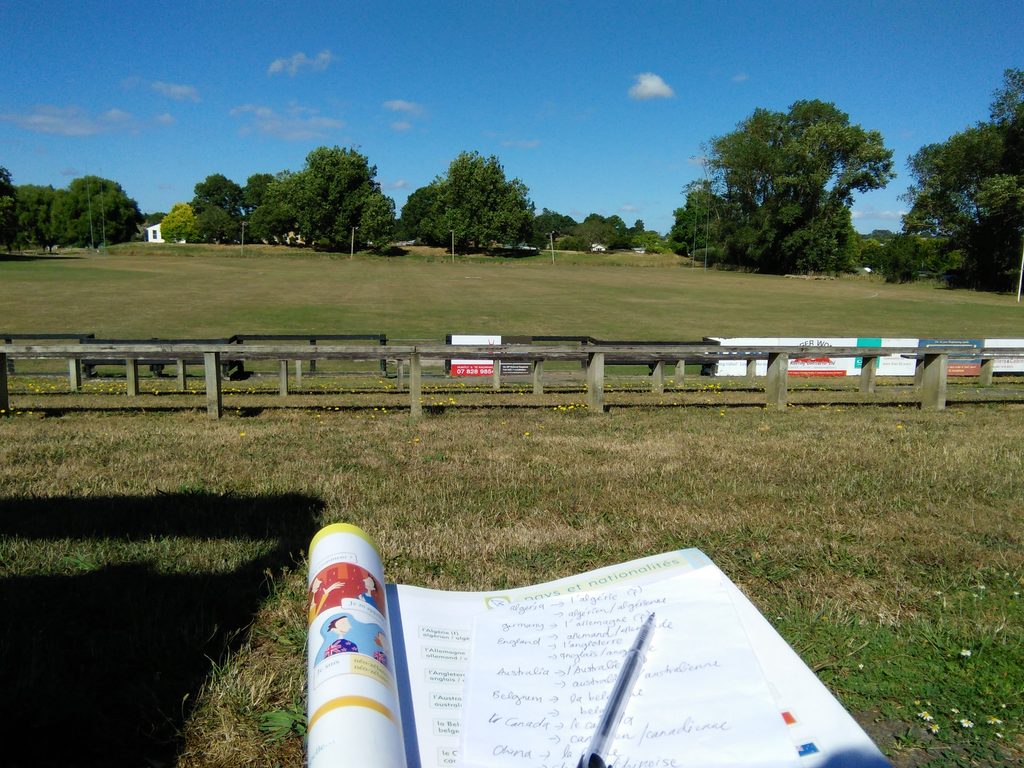
We live in a digital age that has allowed us to overcome all kinds of challenges, like language barriers. If I couldn’t speak the language, I would use Google Translate with the locals. In Bolivia, I spoke Spanish. My Spanish wasn’t good at first, but a lot of practice helped me improve. Even so, I still Googled for local terms or slang.
It’s always a good idea to learn some local words and phrases before visiting a country. Before the Internet, people used to rely on pocket books. Now, you can find everything online. Sometimes you just need to put in the extra effort for a smoother experience.
When it comes to food, some countries have peculiar dishes. If I think it’s weird, I usually don’t eat it. I would avoid circumstances that might force me to eat something I can’t or won’t eat.
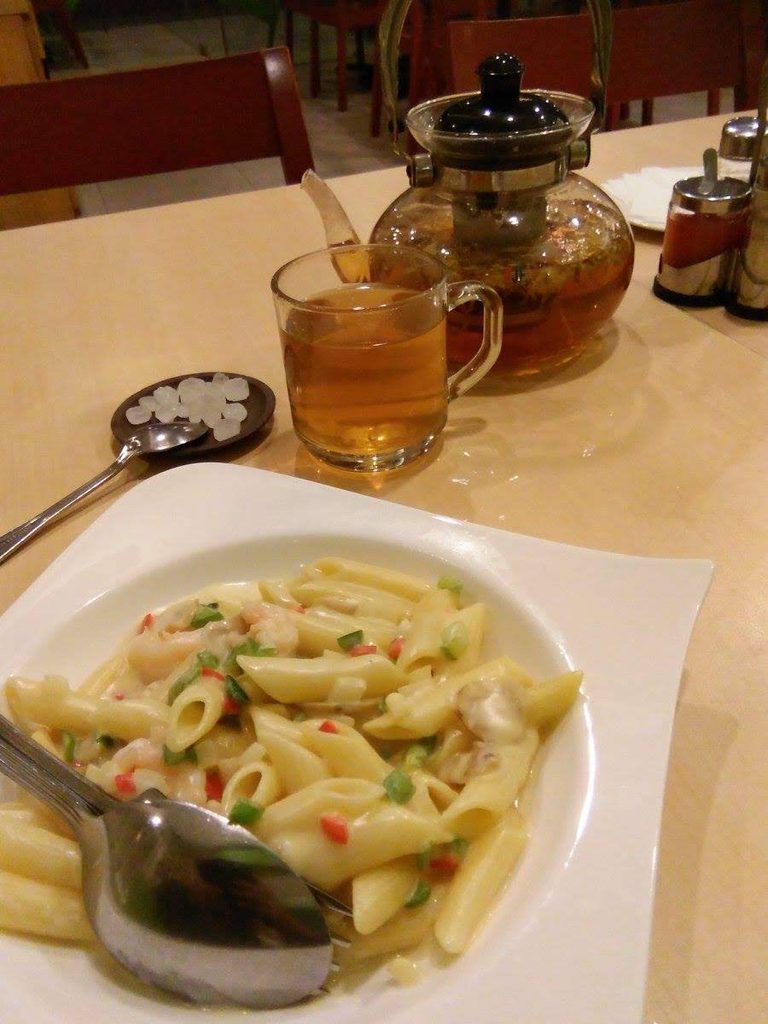
I was a picky eater as a child, but I am more flexible now. I avoid demanding that locals accommodate my food preferences. Once, I tried going vegetarian in Jakarta. It was challenging, but I managed. At one point, I leaned towards a more carnivorous diet. That was even more challenging, especially when eating out.
Now when I travel, I always have a food container. I sometimes cook my own meals, too. Some travellers, including me, travel with cooking essentials. While I don’t travel with a big rice cooker or frying pans and pots (a friend of mine said he once met someone who travelled with pans and pots), I have an Itaki electric lunch box. I brought it along for my campervan trip in Japan back in 2024. With it, I could steam and reheat food.
Being Insensitive Towards Other Cultures
Have you gone somewhere and realised that your clothing was inappropriate? For example, wearing revealing clothing at religious sites or in conservative places. Not following local rules can certainly get you in trouble.
If you’re asked to cover up, just do it. Even if you don’t do it on purpose, you still need to comply out of respect for other people’s culture. I recommend travelling with a scarf big enough to cover your legs, hands, or chest. So if you’re told to cover up, the scarf will come to the rescue. Before visiting a country, it’s always wise to research how the locals dress.
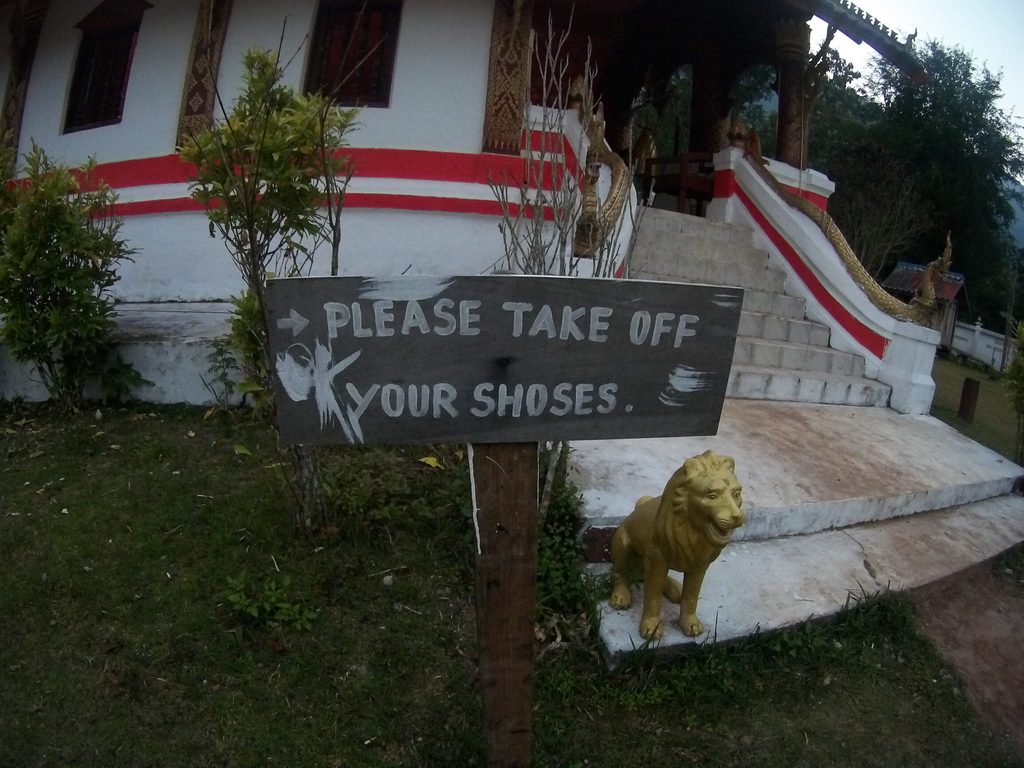
Once, I saw a guy arguing with a local lady in Laos. He got upset when asked to remove his shoes. Instead of getting angry, he could’ve just removed his shoes. Removing shoes only takes seconds.
When in Rome, do as the Romans do.
Are We Never Annoying?
There’s no such thing as us never being annoying. What might seem annoying to me might not seem annoying to another person. I’d be lying if I said I never did annoying things while travelling. But in general, we all dislike it when people don’t respect certain boundaries.
We are never going to stop learning and understanding each other, are we?
While I was travelling with a Peruvian girl in Bolivia, she told me that her aunts always remind her that wherever she travels, she’s representing Peru. So she better be on her best behaviour. I always try to remind myself that I am representing my country, too.
But no matter how hard we may try, there will always be that one person who will behave badly and ruin the fun for the rest of us. The reality is that annoying travellers are everywhere, and any of us could become one. Anyhow, just try your best to be the best version of yourself, especially when abroad!
Final Thoughts
The traveller next to you is like you, a fellow traveller wanting to explore new places. But how you carry yourselves or leave an impression on others may differ.
Every traveller is unique. Some are easygoing, while some can be annoying. For some, taking the perfect shot is more important than living in the moment.
Since travel destinations are there for tourists to enjoy, accept that you can’t always have a place all to yourself or have no one in your pictures – and you might come across people who will get on your nerves.