
 Franz Eliz
What does food mean to you?
For many of us, food is more than just what we eat. Food also represents our cultural identity.
We use food to celebrate success, social gatherings and new beginnings. Indeed, food is more than just sustenance.
Like the rest of the world, Malaysians take their food seriously. Food is part of Malaysian culture; it brings the nation together.
With so many food options, locals and foreign visitors alike are spoiled for choice. Here’s a list of 8 Malaysian dishes to try during your visit.
1. Sarawak Laksa
There are all kinds of Laksa in Malaysia, each with a unique look and flavour. While all of them are exceptionally delicious, Sarawak Laksa is my favourite.
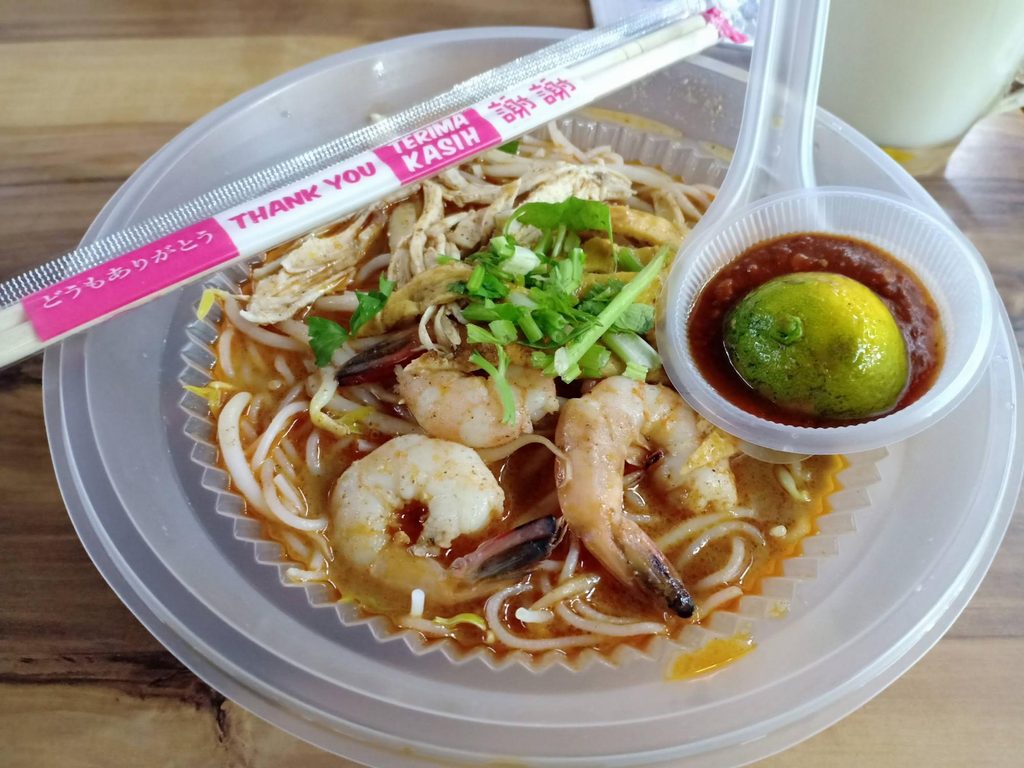
Typically, Sarawak Laksa has six ingredients: rice vermicelli, shredded omelette, fresh prawns, chicken strips, bean sprouts, and sambal. Lime is served on the side. Altogether, they create a bowl of aromatic Sarawak Laksa. It’s so delicious you’ll drink up all of its spicy soup.
This is a dish I always look for whenever I return to my hometown. It is, after all, an all-time favourite in the Land of the Hornbills. Some of the best Laksa stalls are in Kuching.
How Much Does Sarawak Laksa Cost?
A bowl of Sarawak Laksa can cost RM4.50 to as high as nearly RM16. It depends on where you buy it. Laksa Sarawak is cheaper in, well, Sarawak. But it’s more expensive in West Malaysia. Typically, a bowl of Laksa Sarawak is pricier when it has more (or larger) prawns.
Go ahead and try it if you haven’t. Even the late Anthony Bourdain loved it.
Do I Recommend Sarawak Laksa?
I highly recommend Sarawak Laksa. It’s one of my favourite dishes in Malaysia.
If you’re vegan or vegetarian, don’t worry; vegan and vegetarian Sarawak Laksa recipes are available online. So far, I haven’t found vegan and vegetarian Kolo Mee at restaurants in Sarawak. I’ll update this post if I find it.
2. Tomato Mee
In case you didn’t know, mee means noodles. So, Tomato Mee translates to Tomato Noodle.
Tomato mee features crispy noodles or Kuey Teow (flat noodles) with tomato sauce. It has a thick gravy made from tomato sauce. This dish also includes shredded chicken, seafood, egg, leafy vegetables, and corn flour, among others.
I prefer the crispy noodle version. For the best crispy noodle experience, the dish needs to have the right amount of tomato sauce. Too much hot tomato sauce will make the crispy noodles soggy.
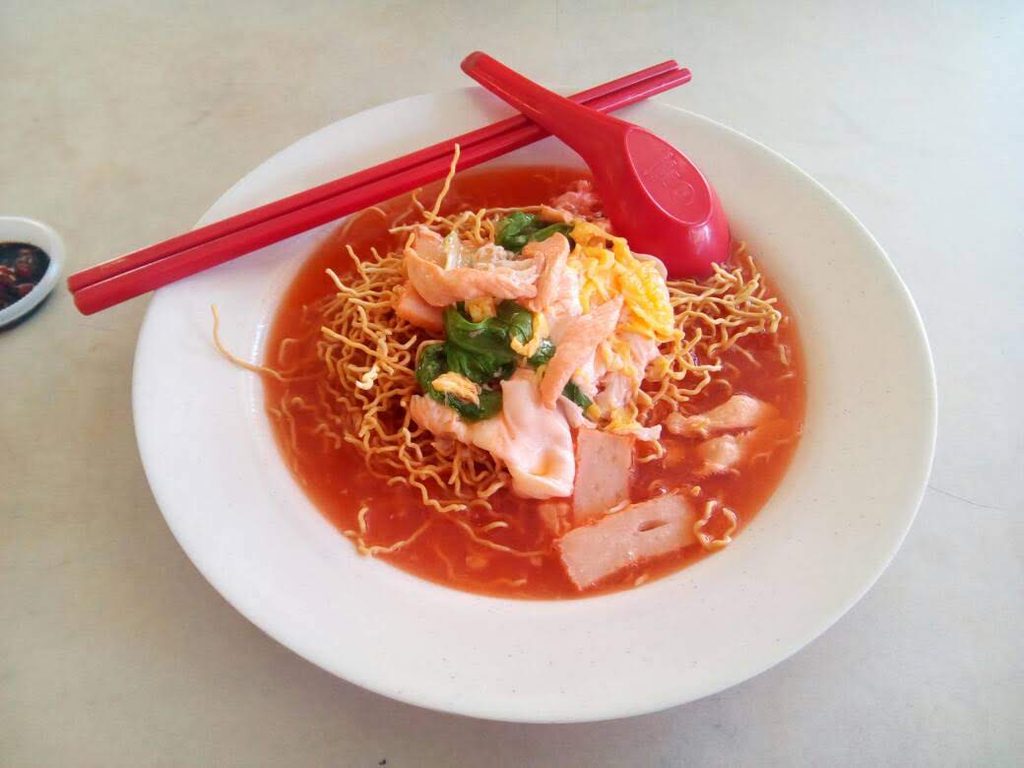
There’s also a crispy wanton version – I like it more than the two varieties mentioned earlier. Unfortunately, the crispy wanton version is not common. The last time I had this version was over 15 years ago.
While you can find Tomato Mee in West Malaysia, it’s not as easy to find as Sarawak Laksa.
Do I Recommend Tomato Mee?
I highly recommend Tomato Mee, especially to non-spicy eaters and anyone who loves tomato sauce. Not that different cooks prepare their own versions of Tomato Mee. Some varieties might be a little too sweet or a little too sour. I think a good balance of sweet and sour is necessary. The noodles mustn’t be old, either.
If you want to find this dish outside Sarawak, check out 7th Mile Kitchen. The restaurant also serves other Sarawak dishes, such as Kolo Mee and Sarawak Laksa.
3. Nasi Lemak
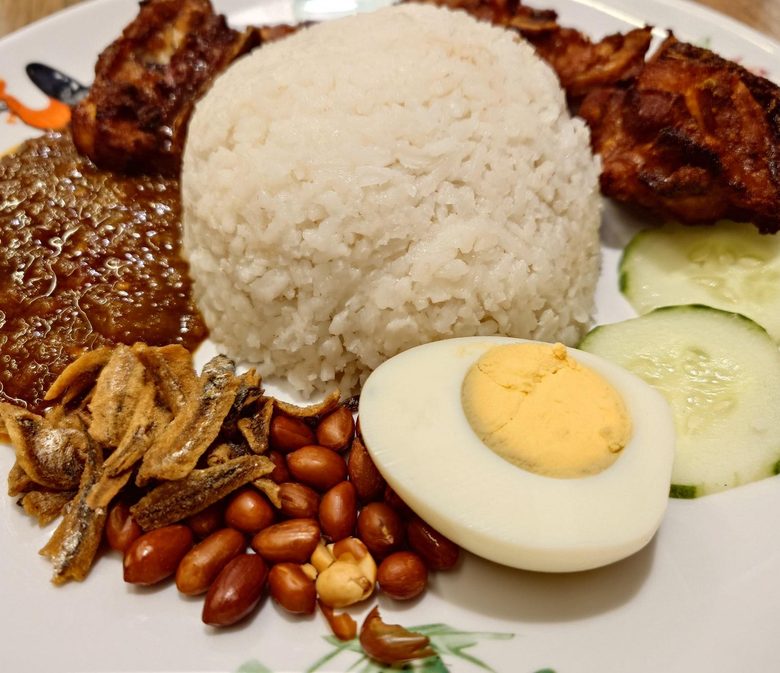
Nasi Lemak is a fragrant rice dish made with ingredients like rice, coconut milk, pandan leaf, anchovies, egg (usually hard-boiled), peanuts, sambal, and cucumber. Many consider it Malaysia’s national dish. Nasi Lemak is also available in Singapore, Indonesia, Brunei, and Thailand.
Nasi Lemak is usually eaten for breakfast. But you can find many restaurants serving it throughout the day.
I didn’t like Nasi Lemak growing up. Firstly, I was quite a fussy eater. Secondly, Nasi Lemak never appealed to me. I only learned to like it when I had it for the very first time at university. The dish was simple, cheap, and gobsmackingly spicy, yet delicious. I got hooked, and today, it’s one of my favourite Malaysian dishes.
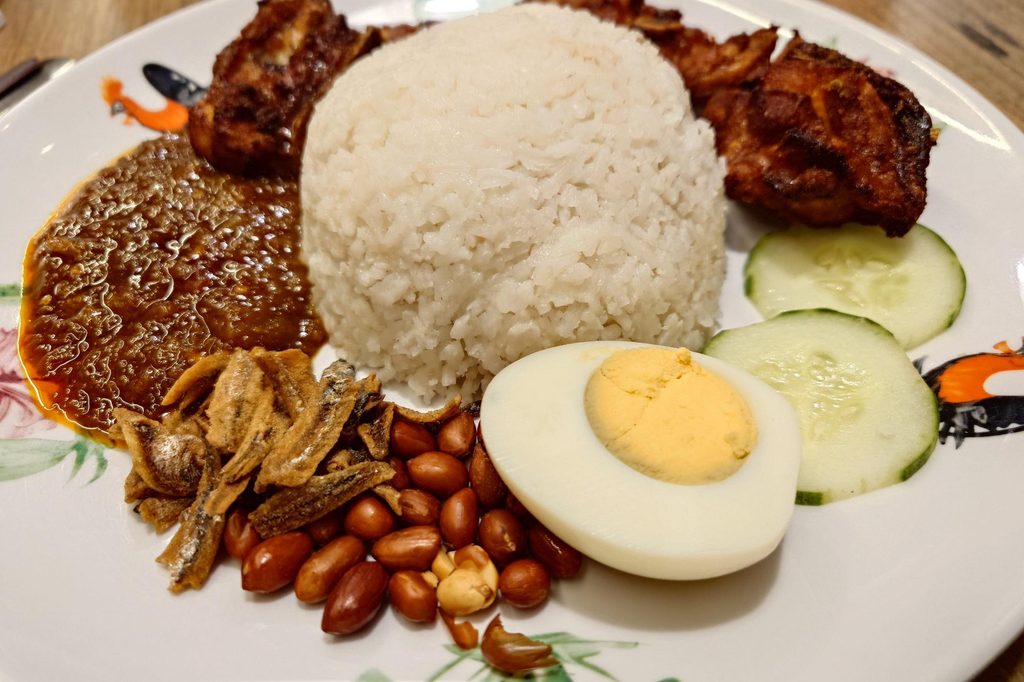
Back then, I could buy a packet of Nasi Lemak for only RM1. It’s almost impossible to find that price now. If you buy it from a roadside stall, you could probably buy it for RM1.50. Many locals like to add extras to their Nasi Lemak, like clams, fried chicken, prawns, or vegetables.
You can also find Nasi Lemak at very fancy restaurants – even bars and bistros – selling for over RM20 a plate.
Do I Recommend Nasi Lemak?
I highly recommend Nasi Lemak to anyone who doesn’t get intimidated by the name! ‘Nasi Lemak’, when translated literally, is equivalent to ‘Fat Rice’. Since the dish is cooked with coconut milk, some people would request plain white rice instead.
Today, it’s common to see people enjoying their Nasi Lemak differently. Some opt for plain rice instead of rice cooked in coconut milk, while some would exclude the dish’s peanuts and anchovies.
Some Nasi Lemak dishes are very spicy, while some are rather sweet. If you don’t have a high tolerance for spicy food, there’s always a sweet and less spicy Nasi Lemak for you.
4. Kway Chap
Strictly non-halal. For pork lovers, Kway Chap is a must-try dish. It’s not easily available around Malaysia. The best place to find it is in Sarawak.
Kway Chap is popular for its aromatic broth and delicious braised pork. But some people dislike it for its herbal-like aroma.

So, what’s in it?
Kway Chap features ‘kway’, which is a soy sauce broth served with white rice sheets and a wide selection of pig parts. It’s also served with a hard-boiled egg, fishcake, and tofu. Hot chillies are usually served on the side to spice up the dish. You can mix the chillies with the broth. Or you can dip your pork into the chillies instead.
I love Kway Chap for its savoury broth and broad rice sheets. In the past, I would avoid the dish’s pig organs. My mom would always eat them for me. I can tolerate eating pig organs now.
Not a Fan of Pig Organs or Rice Sheets?
I understand. I didn’t like eating pig organs, either. And I still don’t eat them all that much. If you don’t fancy eating pig organs, you can exclude them from your dish. The price remains the same, though.
Here are some tips:
- Ask your Kway Chap seller for more rice sheets in your broth.
- Consider asking for a whole (instead of half) hard-boiled egg.
- Ask for more meat if you don’t want rice sheets.
My late father wasn’t a fan of the rice sheets, either.
Do I Recommend Kway Chap?
I recommend Kway Chap to anyone who likes pork and doesn’t mind the smell.
5. Kolo Mee
Kolo Mee is another popular dish from the Land of the Hornbills. It’s the face of Sarawak cuisine.
The dish is simple, featuring char siew pork, noodles, spring onions, and many other lovely seasonings and marinades.
Although it’s typically served dry with a bowl of soup on the side, customers can ask for it to be served as a soup noodle. You can also choose between plain or ‘red’.

The red version uses char siew sauce that gives it a reddish appearance. It tastes sweeter than the plain one. I like the plain version when served as a soup noodle. But I prefer the red version when it’s dry.
Although Kolo Mee is originally a non-halal dish, you can also find a halal version. Halal Kolo Mee uses beef instead of pork. It doesn’t taste like the non-halal version, but I also find it very delicious.
Do I Recommend Kolo Mee?
I highly recommend Kolo Mee to anyone who visits Sarawak, especially for the first time. Both the wet and dry versions taste good. Your trip to Sarawak isn’t complete without trying Kolo Mee.
The cheapest Kolo Mee in Sarawak today is about RM3.50. You can usually find this price at Kolo Mee stalls outside Kuching.
6. Nasi Paprik
Like Nasi Lemak, Nasi Paprik is spicy. The term ‘Paprik’ or “Pad Prik” comes from the Thai language. ‘Pad’ means stir-fry, and ‘Prik’ means chilli. Despite its Thai origin, Nasi Paprik is a local favourite, typically served in Malay restaurants.
Nasi Paprik is usually served with chicken or seafood, cooked with green beans, red onions, dried chillies, tomato sauce, lemongrass, vegetables, and many other local ingredients.
If you don’t like plain white rice, there’s fried rice instead. I prefer Nasi Paprik with plain rice.
My non-Malaysian friends have tried this dish. They were very pleased, so no rice was left behind.
Do I Recommend Nasi Paprik?
I recommend Nasi Paprik to anyone who likes spicy food. Most Nasi Paprik I’ve tasted are very spicy.
If you’re sensitive to spicy food, then this dish might not be for you. Sure, you can always request a less spicy Nasi Paprik. But it might still be too spicy.
7. Char Kway Teow
This popular Malaysian dish uses flat noodles, stir-fried in a wok over high heat. You can also find this dish in other countries like Brunei, Indonesia, and Singapore.
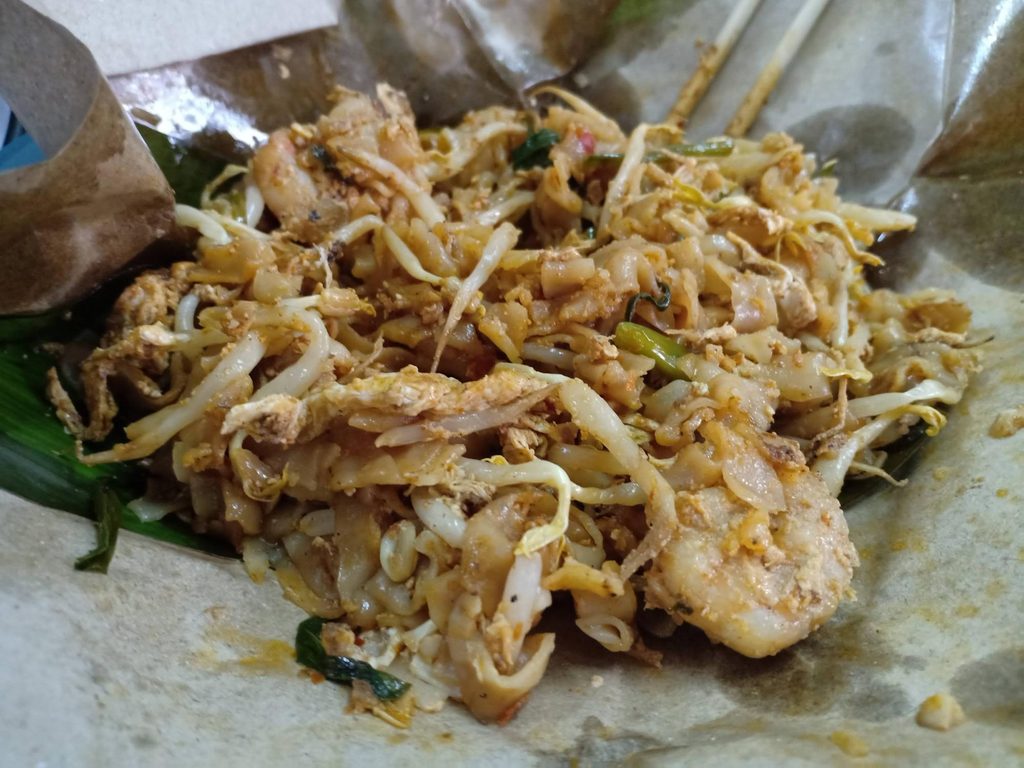
Char Kway Teow usually includes flat rice noodles, shrimps, cockles, eggs, bean sprouts, soy sauce, and spring onions. Malacca and Penang are known for exceptional Char Kway Teow dishes.
I’ve tried some very good ones in Kuala Lumpur, too.
Do I Recommend Char Kway Teow?
I recommend Char Kway Teow especially to anyone travelling to Malaysia for the first time. It comes in dry or wet. I like both versions, but I find wet Char Kway Teow more filling than the dry one.
So far, I haven’t heard any Malaysian who says they don’t like Char Kway Teow. That’s because it’s delicious. I can’t help but agree.
Vegan and vegetarian Char Kway Teow options are available, usually at vegan or vegetarian restaurants.
8. Roti Canai
Most Malaysians love Roti Canai.
It’s an Indian-influenced flatbread served with curry and dhal on the side. The curry is usually chicken or fish curry, sometimes both.
Although Roti Canai is very popular in Malaysia and Singapore, you can also find it in Indonesia. Malaysians love to have theirs at Indian or Mamak restaurants.
The cheapest Roti Canai I’ve ever had cost only RM1.20. My friends and I used to have it at an Indian restaurant just opposite my home on Old Klang Road. We were regulars. The Roti Canai maker would start making our Roti Canai as soon as he saw us trying to cross the busy road. That was back in 2016.

I believe RM1.20 Roti Canai is history, especially in Kuala Lumpur city centre. It probably costs RM2 now, or even more.
You can find other flatbread versions around the country. My favourites are as follows:
- Roti Telur (roti + egg)
- Roti Susu (roti + condensed milk)
- Roti Bawang (roti + onions)
These varieties are slightly more expensive than Roti Canai, but they’re typically served with the same sides. If you’re a vegetarian, consider dining at Chat Masala in Brickfields for a nice plate of Roti Canai.
Do I Recommend Roti Canai?
I recommend Roti Canai to all bread lovers. People usually have it for breakfast, but some also have it anytime throughout the day. It’s cheap and convenient. Roti Canai is perfect when you’re in a rush but need something quick to eat. Have it with a glass of ‘Teh Tarik’ (hot milk tea) or any hot beverage.


